I have always said that we have to put Duchamp’s urinal back in the restroom.
(Tania Bruguera)
http://www.taniabruguera.com/cms/528-0-Introduction+on+Useful+Art.htm
I have always said that we have to put Duchamp’s urinal back in the restroom.
(Tania Bruguera)
http://www.taniabruguera.com/cms/528-0-Introduction+on+Useful+Art.htm
I am helping to facilitate ‘A Day on Resilience’, at East Street Arts on 29th June. I will be initiating a discussion about the benefits and precarity of blurring life and work within creative projects.

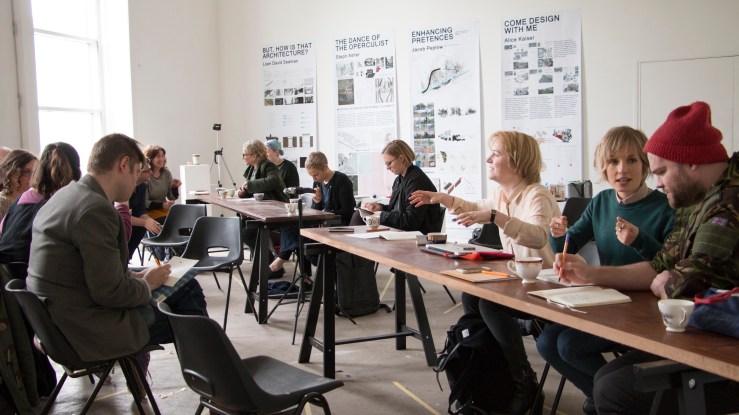

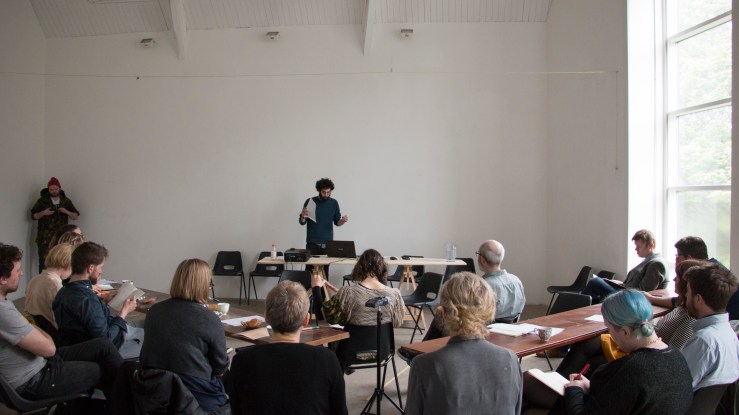 Photo credits (^): Daisy Robson Wright / East Street Arts
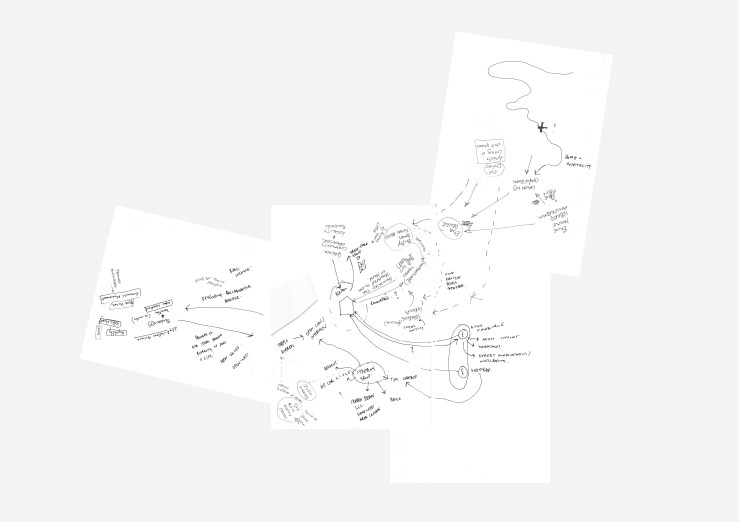
Mapping the organisations, individuals, projects and ideas which enabled and established House 45.
Multi-voices in Research: Co-Interpreting Art and Architecture
Date: Sat 6th May, 2017
Time: 10:00 – 17:00
Location: Patrick Studios, St Mary’s Lane, Leeds LS9 7EH
A one day symposium, bringing together researchers and practitioners interested in including multiple voices in research, through collective storytelling, mapping and design.
The symposium is organised around a shared meal to facilitate convivial discussions as well as a series of prepared contributions. It will be structured in three parts:
Coffee: Where is your own voice in your art/work/research? Are there others?
Lunch: Does your art/work/research have a home or private life? Who shares it?
Drinks: How are different or opposing voices hosted, invited or negotiated in your art/work/research?
Contributors:
Paula McCloskey, Julia Udall, Goran Vodicka, Jon Orlek, Sophie Raikes, Ben Cornish, Vulpes Vulpes (remote contribution), Jon Cannon, Cathryn Ladd, Matthew Cheeseman, Season Butler, Lydia Catterall, Karen Watson, Katherine Quinn
Please RSVP to jonathan.orlek@hud.ac.uk to book a place.
Info can be downloaded here.
A response to Ben Davis’s article, “A Critique of Social Practice Art: What does it mean to be a political artist?” by Elizabeth Grady:
A multifaceted approach that allows for the voices (and often conflicting perceptions) of multiple stakeholders (artists, community leaders, partner organizations,…) to be heard, with parallel statistics about participation and community makeup is a good start. This combines theories of change with ethnographic methods of evaluation and dialogic approaches like collaborative action research, participatory action research.
More details here.
I am organising a symposium responding to the use of multiple voices and writing styles in research. The symposium will be structured around a shared meal with short contributions followed by discussion. Download more information here and get in touch to join in.
Date: Sat 6 May, 2017
Location: East Street Arts, Patrick Studios, St Mary’s Lane, Leeds LS9 7EH
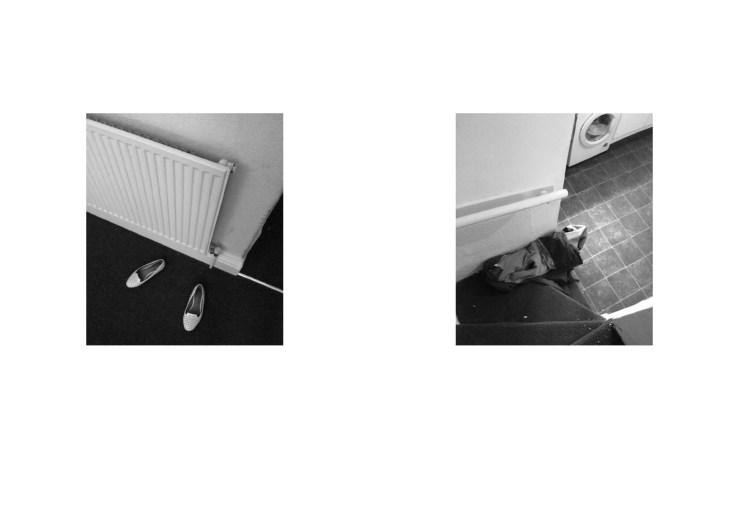

Combining different writing styles to explore my ethnographic position within East Street Arts.

An extract from my Research Plan:
The research will include academic, theoretical, distanced, writing styles as well as subjective narratives and storytelling. As part of the research I would like to play with how these different writing styles (or collective voices) can be incorporated into a PhD thesis – how they can compete for space and attention; agree and disagree; ‘expand institutional boundaries as well as evade them’. Through the research I would like to explore if these academic negotiations share something with live/work artists negotiating the boundaries between their domestic and artistic work. And if so, what it means to meet research subjects with my own forms of research.
 Artist-Led Housing